
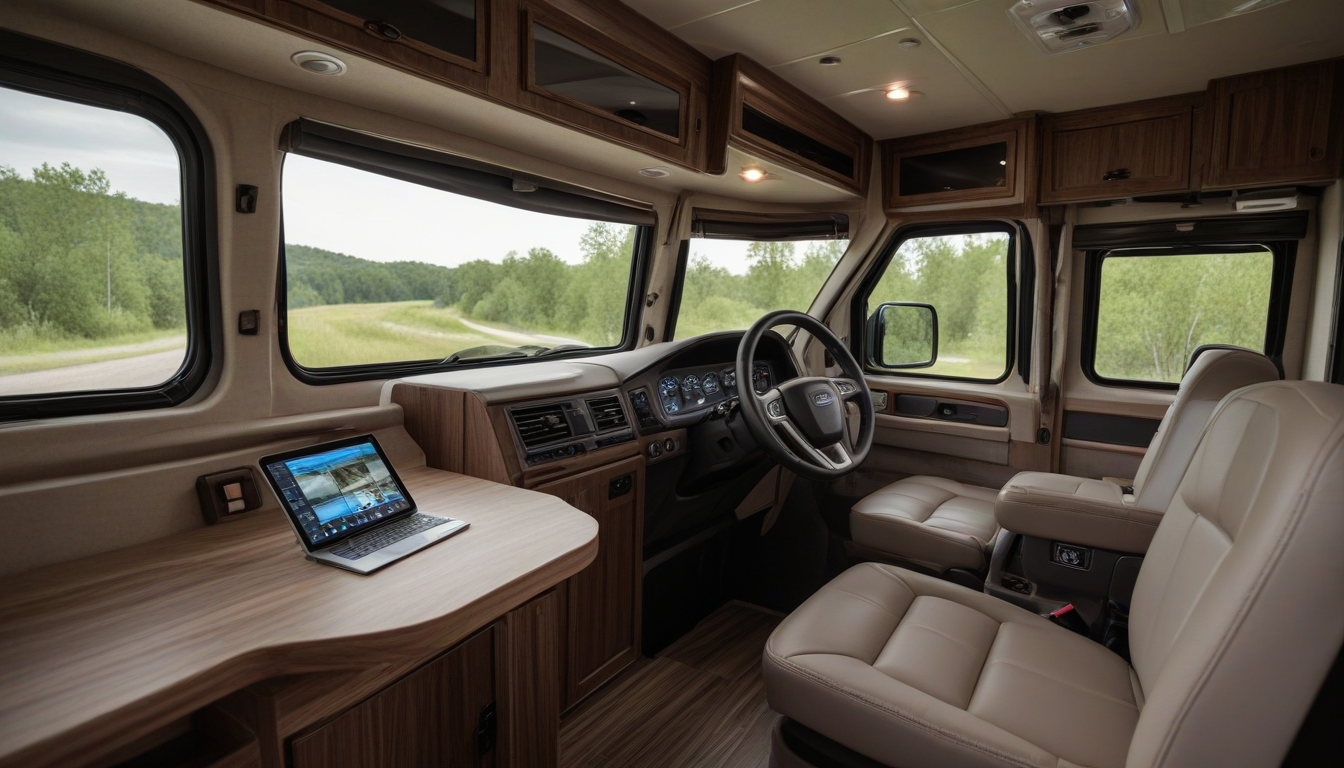
How It Works
Smart modules plug into your vehicle. A small onboard computer ties everything together. You control it all from your phone—even without cell service.
The Big Picture
Three layers that work together to make your vehicle intelligent.
Smart Modules
Small hardware boxes that plug in around your vehicle. Each one does a specific job—controlling lights, reading sensors, tracking location, monitoring power.
Vehicle Computer
A small computer that lives in your vehicle. It connects all the modules, runs a dashboard you can view in any web browser, and stores maps for offline use.
Your Phone & Beyond
Control everything from your phone, tablet, or a wall-mounted touchscreen. Nearby? Connect over the vehicle's WiFi. Far away? Connect through the cloud.
Smart Modules
Small, purpose-built hardware boxes that handle specific jobs in your vehicle. Start with one or two, add more as you need them.
Mix & Match
Every module works independently. Want just lighting control? Start with the power distribution module. Want GPS tracking too? Add the GNSS module. Each one just plugs in.
Simple Wiring
All modules connect with a single 4-wire cable that carries power and data. Daisy-chain them together—no complicated wiring harnesses. Add or remove modules without rewiring anything.
Updates Over the Air
Each module can receive software updates wirelessly. New features and bug fixes arrive without pulling panels or connecting cables.
Built to Last
All modules use the same automotive-grade communication standard found in cars, trucks, and heavy equipment. Reliable even in harsh conditions.
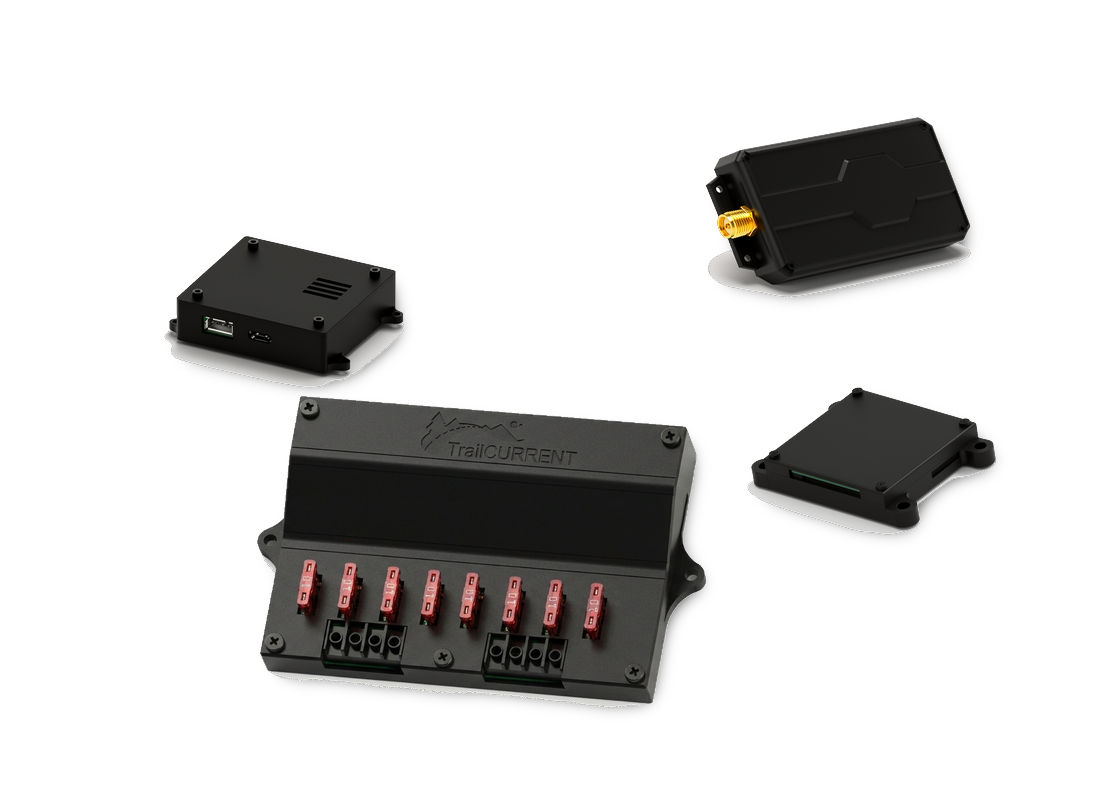
Available Modules
Each one adds a new capability to your vehicle.
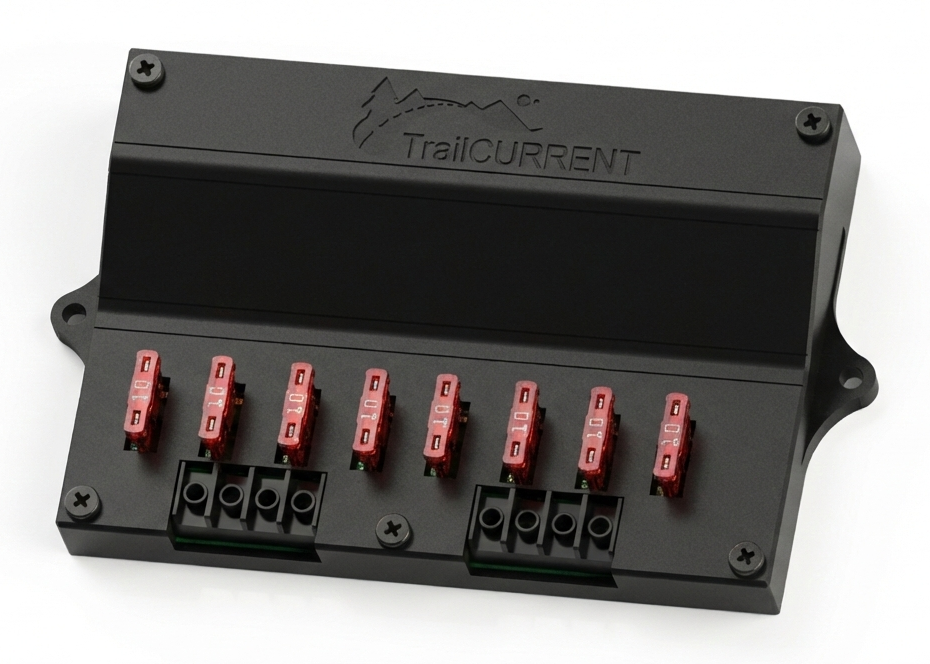
Power Distribution
Controls up to 8 lights and accessories. Every connected light becomes dimmable. Monitor power draw in real time.
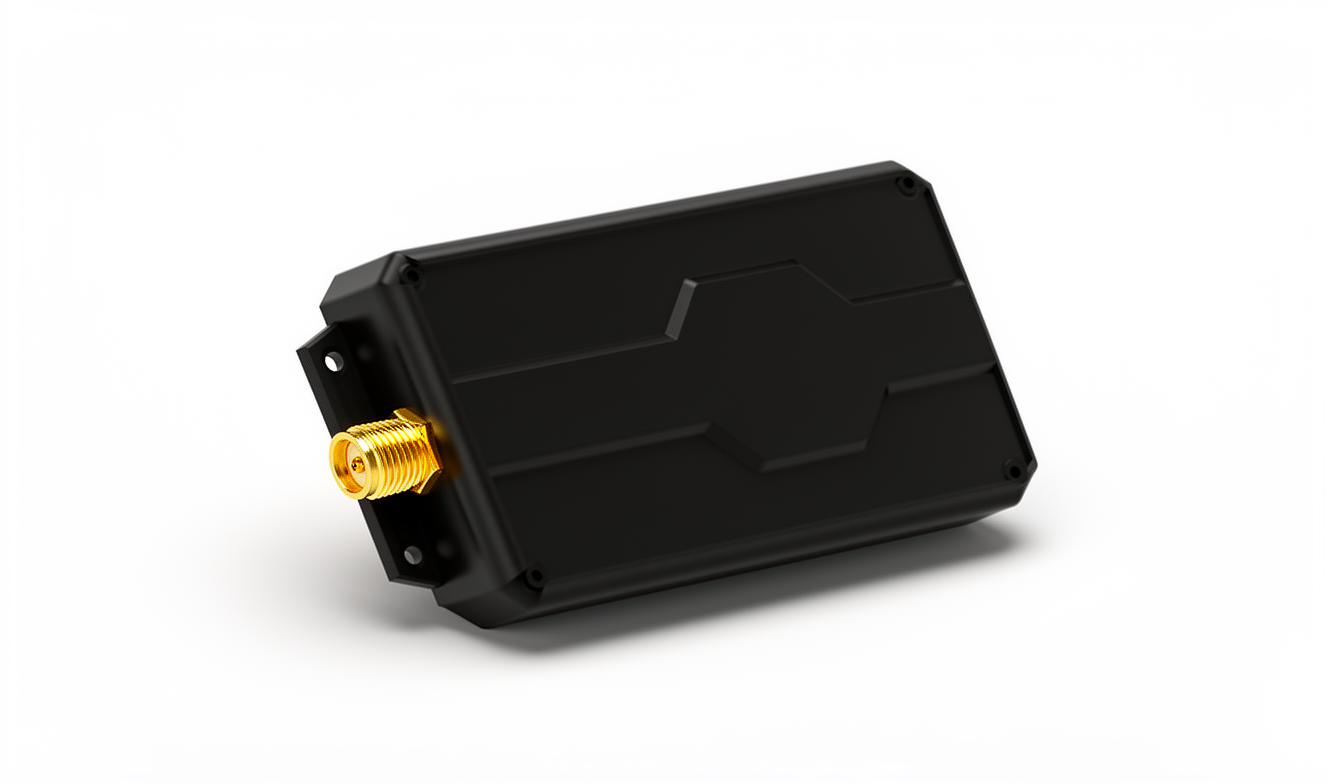
GPS Location
Tracks your vehicle's position. Get alerts if it moves while in storage. Enables location-aware automation.
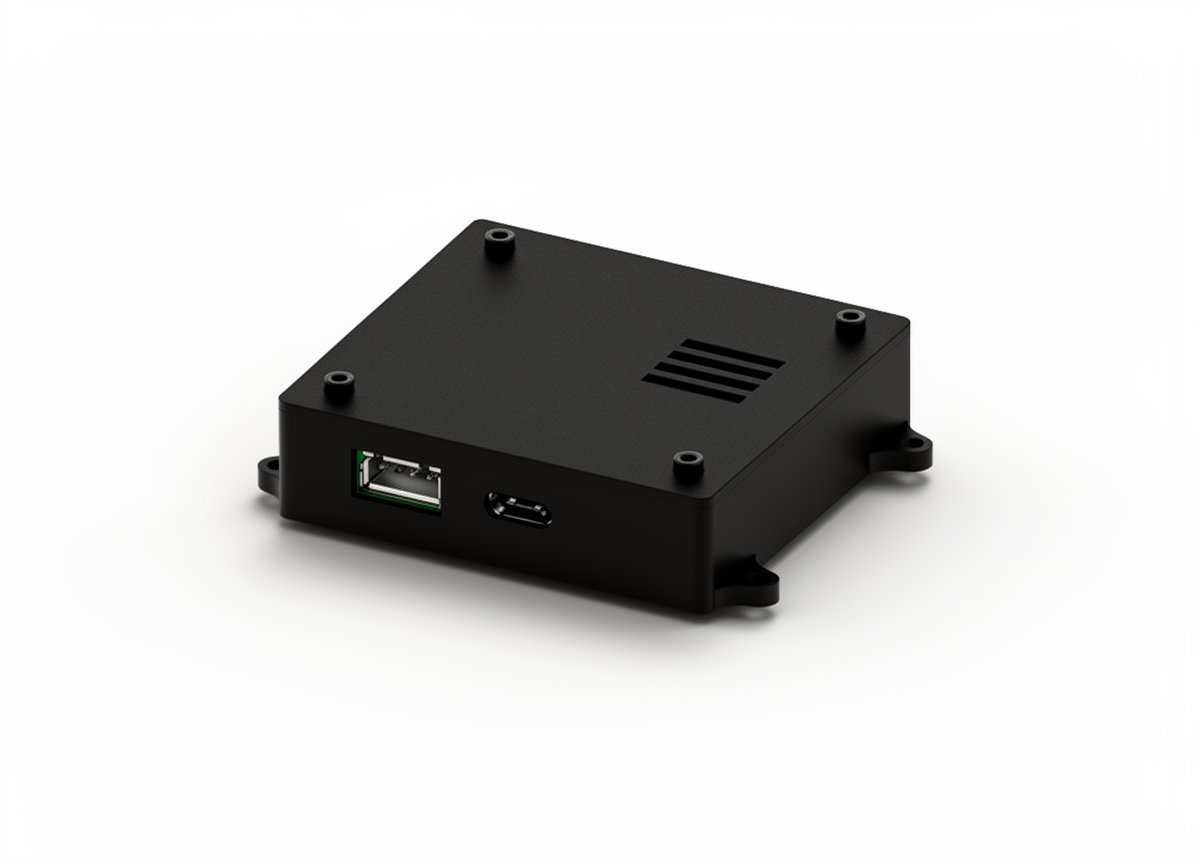
Air Quality & Climate
Monitors temperature, humidity, and air quality. Sounds an alarm and sends alerts if dangerous conditions are detected.
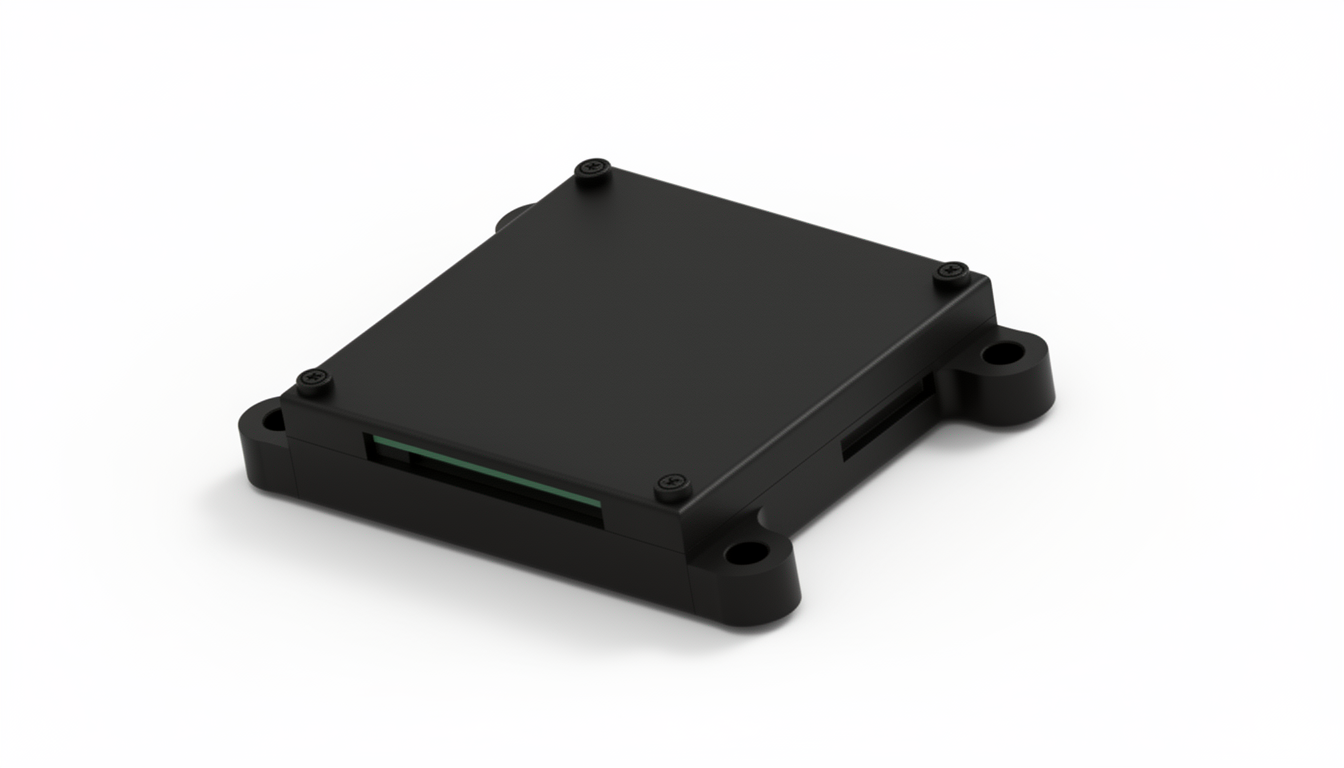
Battery Monitor
See battery voltage, current, and charge level at a glance. Know exactly how much power you have left.
Solar Monitor
Track how much energy your solar panels are producing. See harvest data alongside consumption for smart power management.
Cabinet & Door Sensors
Know when cabinets, doors, or compartments open. Get alerts while driving if something shifts during travel.
Trailer Connection Monitor
Checks brake lights, turn signals, running lights, and the charge line on your 7-pin trailer connector before you drive.
Vehicle Leveler
Tells you exactly how level your vehicle is. Makes campsite setup faster and easier.
Wireless Bridge
Extends the system wirelessly to your trailer. No need to run wires between the tow vehicle and trailer.
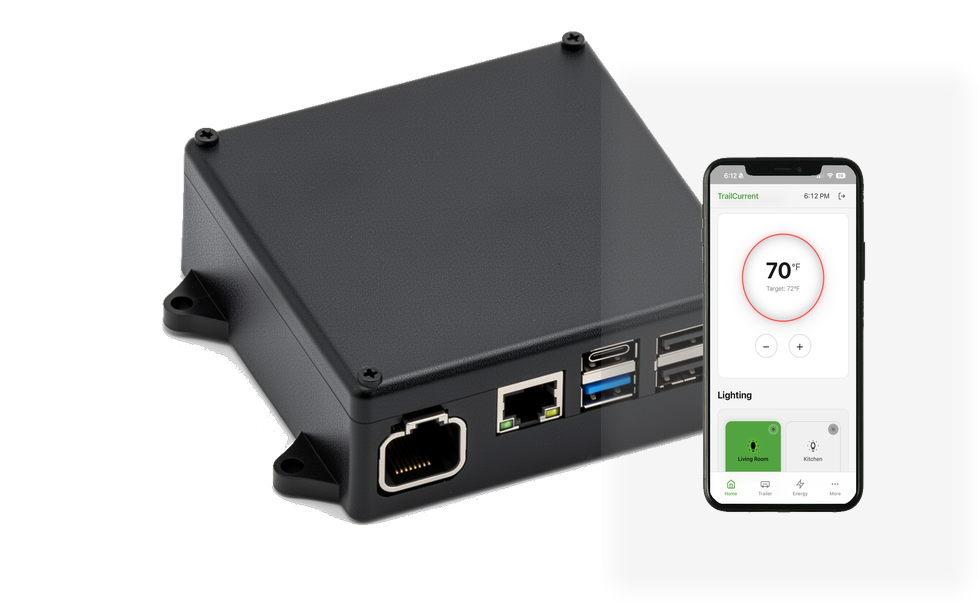
The Vehicle Computer
A small computer that lives in your vehicle and ties everything together. It creates its own WiFi network and runs a dashboard in your web browser.
Works Completely Offline
No internet required. The vehicle computer runs independently, providing full control and monitoring even in the most remote locations.
Browser-Based Dashboard
Open any web browser on your phone, tablet, or laptop. You'll see a dashboard with controls for lights, thermostat, power status, sensor readings, and more.
Offline Maps
Pre-loaded map tiles so you have navigation even without cell service. 11 different map styles for different situations.
Coordinates Everything
All the smart modules report to the vehicle computer. It processes the data, runs automation rules, and presents everything in the dashboard.
Remote Access & Cloud
When internet is available, you can monitor and control your vehicle from anywhere in the world. This layer is completely optional.
Monitor From Home
Check on your vehicle while it's in storage. See battery health, temperature, and security status from your couch.
Push Notifications
Get alerts on your phone if something needs attention—motion detected in storage, low battery, temperature extremes, or movement.
You Host It, You Own It
The cloud backend is self-hostable. Run it on your own server or a cheap cloud instance. Your data never touches anyone else's servers.
Why the Cloud is Optional
Everything works without it. The vehicle computer provides full functionality on its own. The cloud just adds convenience when you're away:
- Remote monitoring from anywhere
- Push notifications to your phone
- Historical data and trends
- Multi-vehicle fleet visibility
- Data backup and sync
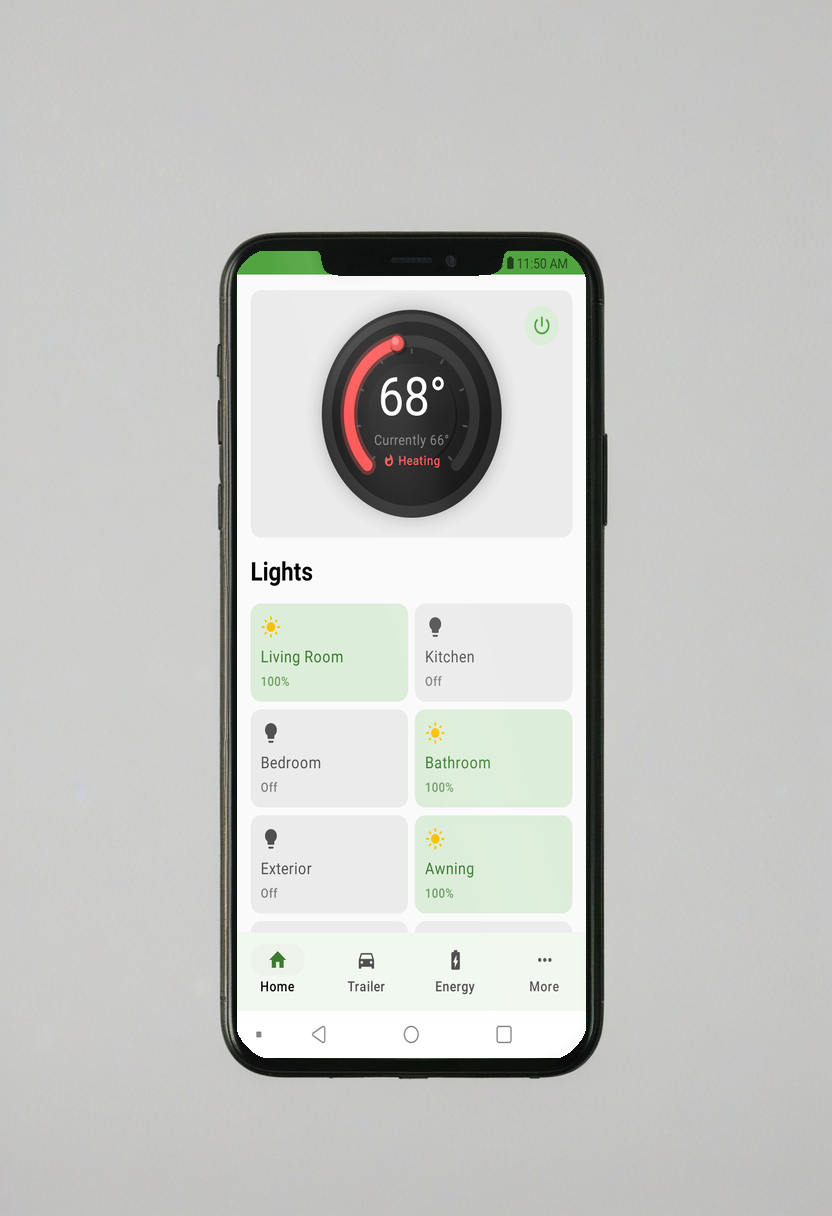
Mobile App
A dedicated Android app for vehicle control. Quick access to lights, thermostat, power status, and sensor readings right from your pocket.
Works Nearby & Far Away
At camp, the app connects directly to the vehicle's WiFi. Away from the vehicle, it connects through the cloud for remote access.
Real-Time Data
Live sensor readings, power status, tank levels, and GPS position. See what's happening with your vehicle right now.
Quick Controls
Toggle lights, adjust the thermostat, and run automation routines with a tap. No need to open a browser.
Under the Hood
For those who want to know the technical details.
Hardware Modules
ESP32 and ESP32-C6 microcontrollers with FreeRTOS firmware, built with PlatformIO. All hardware designed in KiCAD with open schematics, PCB layouts, and 3D-printable enclosures.
Communication
CAN bus (TWAI protocol)—the same automotive-grade standard used in cars and heavy equipment. Priority-based arbitration, deterministic delivery, simple 4-wire daisy-chain wiring.
Vehicle Computer
Docker Compose stack with Mosquitto MQTT broker, Node.js API, tileserver for offline maps, Python CAN-to-MQTT bridge, and vanilla JavaScript progressive web app.
Cloud Backend
Node.js Express API with MongoDB database. JWT authentication, WebSocket real-time updates. Fully self-hostable via Docker Compose.
Mobile App
Native Android with Kotlin and Jetpack Compose. Material Design 3, local WiFi and cloud connectivity, real-time sensor data display.
Open Source
24 repositories on GitHub under the MIT license. CAN bus message definitions in standard DBC format with a web-based editor included.
See What's Inside
Browse every module and component that makes up the platform.